
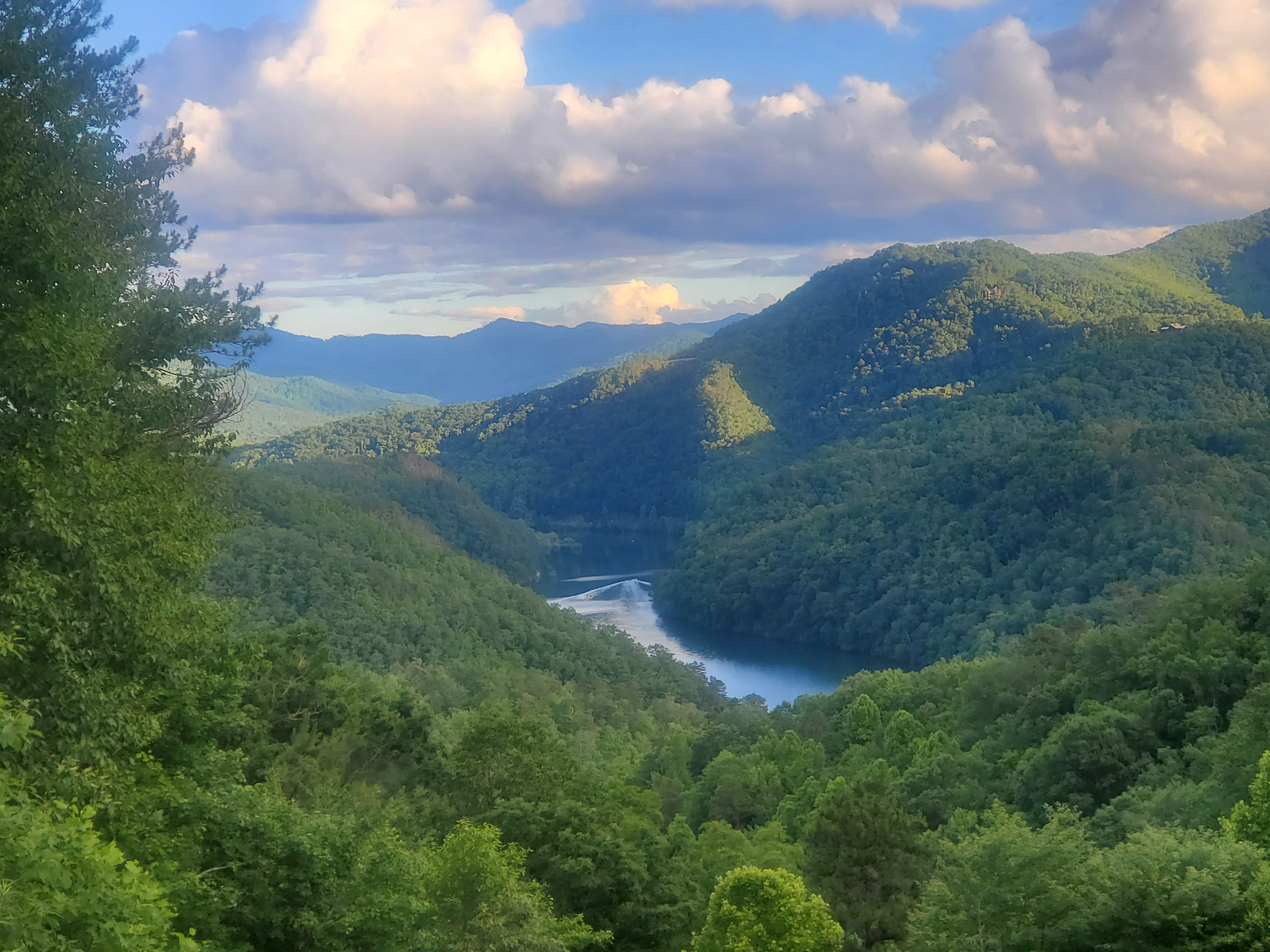
The US Senate passed the bipartisan Great American Outdoors Act Wednesday, June 17, that would provide funding for the deferred maintenance backlog for national parks and public lands including the Great Smoky Mountains National Park.
The bill, which will still need approval in the House and to be signed by President Donald Trump, would also permanently fund the Land and Water Conservation Fund.
The Smokies has a backlog of more than $200 million in deferred maintenance. Some of the infrastructure needs to be completely replaced. The Smokies is the most visited national park in the country.
“Most of the park’s infrastructure was developed Civilian Conservation Corp (CCC) or Mission 66 eras and is now well used, well worn, and in many cases at the end of its life cycle,” explains Dana Soehn, management assistant/public affairs. “At the same time, park visitation has been steadily increasing with more than 12.5 million visits in 2019. Park managers are faced with many challenges in sustaining infrastructure to support this level of visitation - especially in our temperate rain forest climate with roads, trails, and facilities spread across the 522,000-acre park spanning elevations from 800 feet to over 6,600 feet.
Both NC Senators Richard Burr and Thom Tillis applauded the passage.
“From the Great Smoky Mountains to Cape Lookout National Seashore, North Carolina is home to many iconic treasures that have benefited from the Land and Water Conservation Fund,” said Burr in a press release. “By permanently funding LWCF, we’ve ensured that these sites and thousands more across the country will be there for American families for generations to come. And this summer, as more Americans head to our national parks in a time of uncertainty, this sound investment will make sure our parks are ready to welcome them.”
Despite strong bipartisan support for LWCF, Congress allowed the program to expire on September 20, 2018. Tillis said he’s hopeful for passage in the House.
“North Carolina is home to some of the most beautiful national parks including the Great Smoky Mountains and the Blue Ridge Parkway,” said Senator Tillis in a press release. “Generations before us took care of these cherished lands and we must do everything we can to preserve our parks so our kids and grandkids can enjoy them in their best form. Now more than ever North Carolinians recognize the importance of this monumental legislation as many seek an outdoor refuge in the age of coronavirus. I am proud to have supported this legislation and I look forward to the House’s quick passage.”
The Great American Outdoors Act would provide $900 million a year to fund the Land and Water Conservation Fund and $1.9 billion for five years for deferred maintenance.
Smokies maintenance
For the Smokies, the funding would allow the National Park Service to address some of the needs in a backlog of repairs on roads, trails, water and wastewater treatment and even long overdue improvements for the visitors’ centers. There is $2.37 million included in funding for the national park in the bill.
“The park's greatest needs are related to our water treatment/wastewater systems, administrative and public buildings, and transportation corridors including roads, bridges, and tunnels,” Soehn said.
She details the following needs in the Smokies:
• In particular, the park has identified 13 water and wastewater systems that need to be fully replaced. These systems were installed between 1940 and 1960. Traditional funding and emergency funding has generally provided band-aid fixes that have helped us keep these systems functioning. This full replacement is estimated at over $41 million and is needed to help us continue to serve campgrounds, picnic areas, and visitor center areas across the park.
• While deferred maintenance is spread across thousands of physical assets, over 80% of the repair needs are associated with the park’s roads system. This is not surprising when you consider the millions who choose to experience the Smokies from behind the driver seat every year. In total, the park maintains and operates over 300 miles of roads, 6 tunnels, and 146 bridges that allow visitors to traverse the park’s mountainous landscape. The park steadily competes for federal dollars to chip away at the maintenance backlog, but the park currently still has over $162 million of needs. The network of roads, both paved and unpaved, are critical in providing safe recreational access, to the park’s more than 800 miles of trails along with access to family cemeteries.
• The three primary maintenance/administrative areas (buildings, utilities, roads, etc.) serve as operational hubs for the entire facility maintenance division. Most of the buildings associated with these maintenance yards were built in the 1950s. The buildings are showing serious signs of disrepair and lack the functionality needed for a large modern-day park. The park currently has over $67 million of needs to replace and repair these critical facilities.
• The current Sugarlands Visitor Center was built in the Mission 66 era at a time when park visitation was between five and six million people. The facility does not provide enough space to adequately provide opportunities for people to receive information for trip planning and to learn about park resources. A new visitor center is estimated to cost approximately $25 million and would be designed to serve visitors into the next century.